
SOURCE: NORTHERN ADVOCATE
Ngāwhā’s ‘Silicon Valley’: World-First Indigenous AI Data Centre Revealed
By Peter de Graaf
The shroud of secrecy surrounding a high-stakes "black-ops" project at the Ngāwhā Innovation Park has finally been lifted, revealing a world-first technological breakthrough that could see Kaikohe become the global capital of high-powered, indigenous computing.
In a move that has stunned industry analysts, a joint venture between Northland powerhouses Northpower, Top Energy, and McKay, alongside Tupu Tonu (the Ngāpuhi Investment Fund), yesterday announced the successful pilot of a carbon-neutral, zero-water sovereign indigenous data centre.
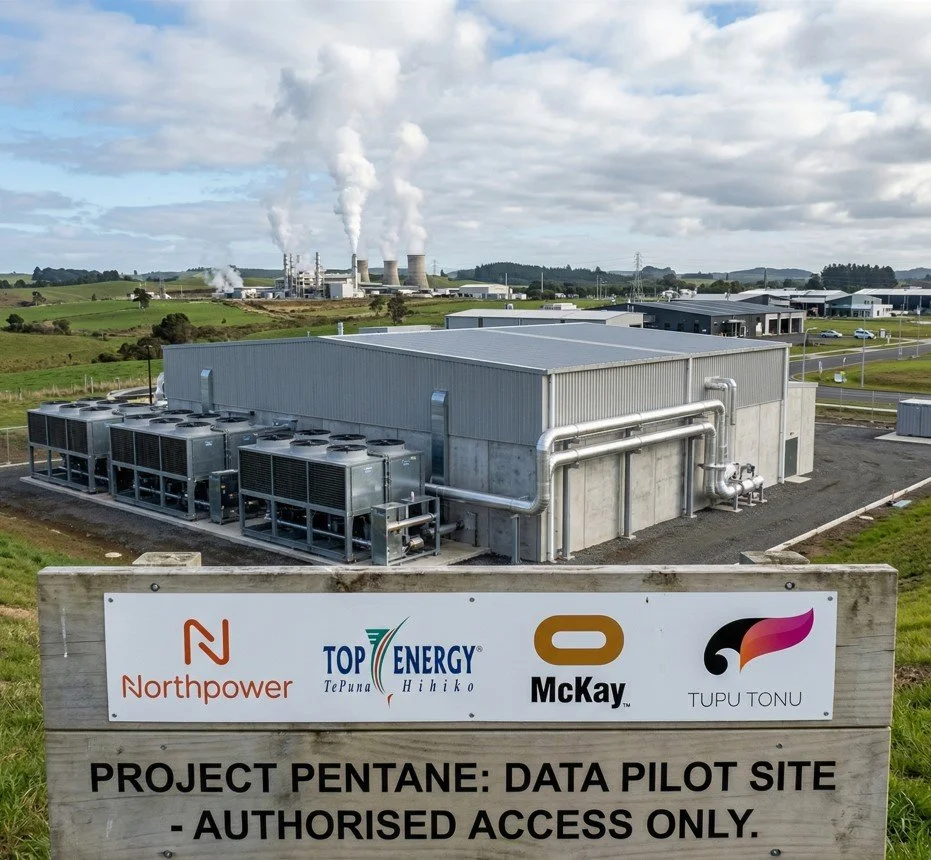
The facility, which has been operating under strict 24-hour security, utilises a revolutionary "closed-loop pentane heat exchanger" cooling system. Adapted from the binary cycle technology used in the nearby geothermal power station, the system uses zero water—a critical feature designed to protect the Mid North’s water table during Northland’s increasingly frequent droughts.
A spokesperson for the venture confirmed that the technology is currently being patented in 155 countries to protect "significant undisclosed investment" in local research and development.
"When fully scaled, this will be the most energy-efficient data centre on the planet," says McKay Managing Director Lindsay Faithfull. "We aren't just piggybacking on global tech; we are leapfrogging it. We are using 100% renewable energy from the Ngāwhā steam fields to power the future of the North."
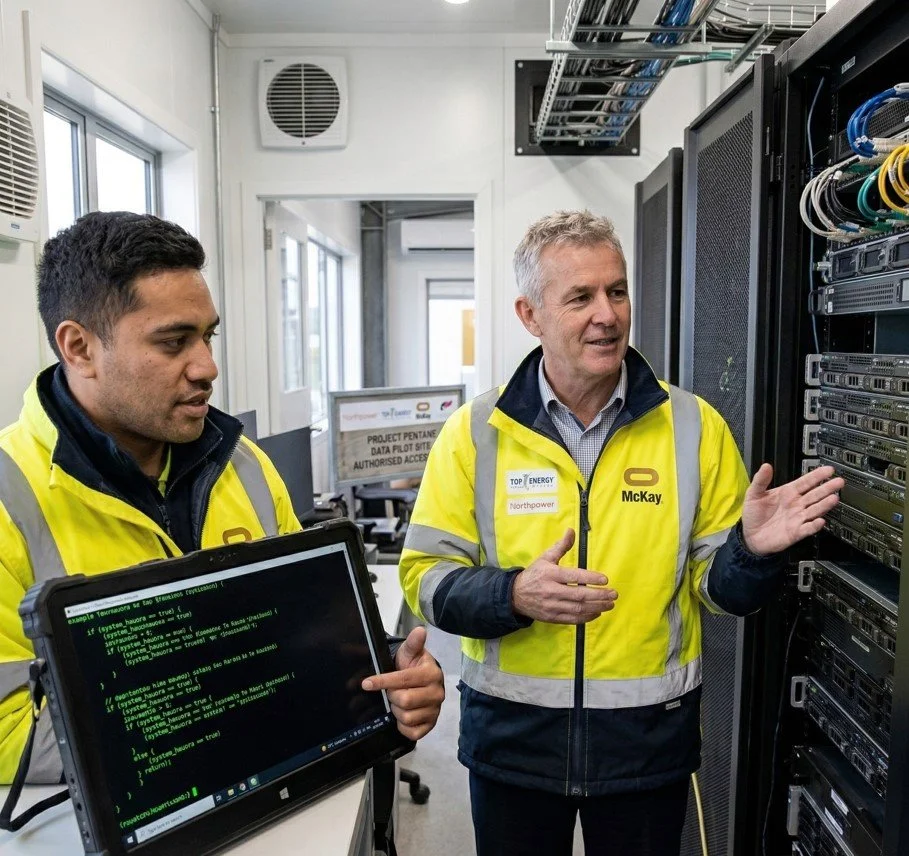
However, the hardware is only half the story. The facility will be the first in the world to run exclusively on "Sovereign Indigenous AI." Under strict protocols set by Tupu Tonu, the data centre’s digital architecture is built on Te Ao Māori principles.
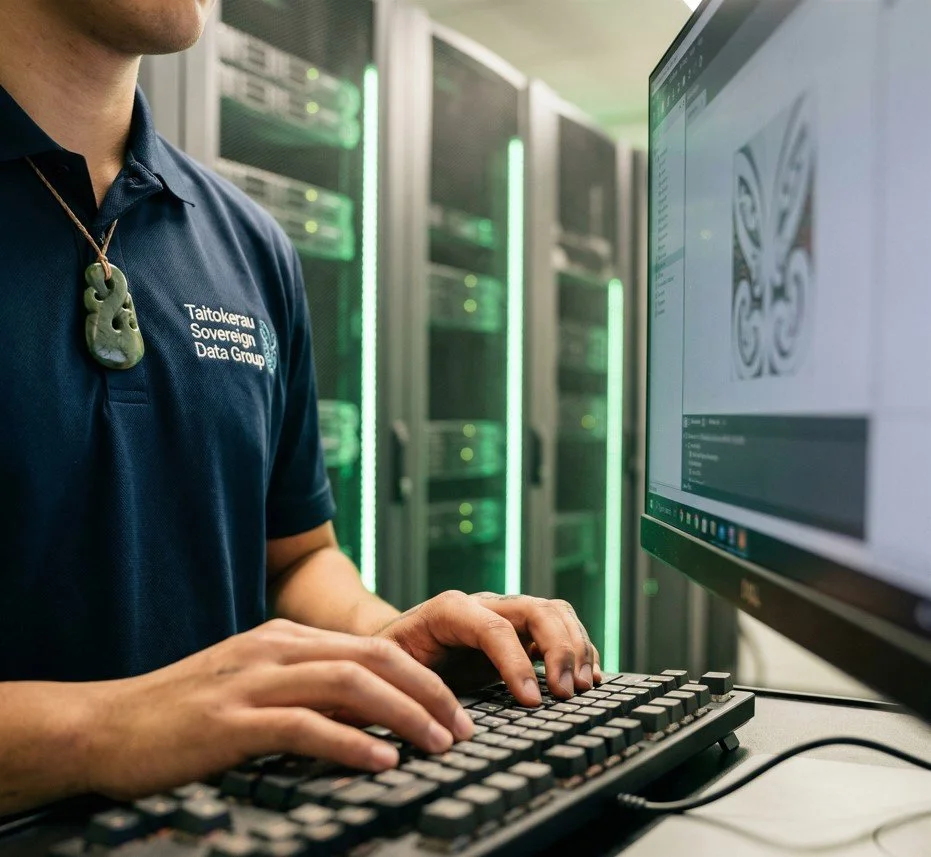
In a move that has raised eyebrows in Silicon Valley, the venture has mandated that every software engineer employed at the site must be fluent in Te Reo Māori and have been educated through the Kura Kaupapa Māori system.
"This is about data sovereignty," a Tupu Tonu representative said. "For too long, AI has been trained on Western biases. Our AI is built on the ancestral wisdom of the Pacific, protected from what we call 'digital colonial destruction' through the Taitokerau Whare Wānanga."
The project’s success is a bittersweet victory for the partners, following a 2020 snub from the Provincial Growth Fund. "In those days, the Wellington pencil-pushers couldn't see the digital forest for the geothermal trees," says Shane Jones. "They were obsessed with bitumen and bridges, dismissing this tech taniwha as a 'high-risk play.' While hindsight is a marvelous tonic for the vision-impaired bureaucrat, it’s a pity they didn’t have the intestinal fortitude to back a winner when it was staring them in the face. They wanted shovels in the ground; we gave them servers in the steam."
"They missed the waka," Mr. Faithfull noted. He explained that the initial rejection forced the joint venture to double down on their own local resources and Ngāpuhi ingenuity rather than waiting for a Crown handout. "By the time the bureaucrats in the capital realised that data is the new gold, we had already moved the dirt and secured the intellectual property. It’s a shame the PGF couldn't see that a technician's keyboard creates just as much local value as a road-worker’s grader. We didn't just build a facility; we built a future-proofed economy for the Mid North that doesn't rely on a government chequebook."
The venture is already looking toward the horizon, with market research indicating that a new high-capacity submarine fibre-optic cable will need to be landed on the Northland coast to service the projected global demand for Māori-led AI computing.
While some industry experts have questioned the feasibility of a 100% Te Reo-speaking engineering team, the Ngāwhā team remains undeterred.
"They said we couldn't run a power station on steam and pentane 25 years ago," a Top Energy engineer said. "Now, we’re running the future of the internet on it."
Local residents are invited to a public briefing at the Innovation Park today, April 1, though visitors are warned that the pentane cooling arrays are highly sensitive to sudden movements.